In the bustling streets of Lagos, Abuja, and Port Harcourt, a new sound is echoing through churches, concert halls, and TikTok feeds alike.
It’s upbeat, rhythmic, infused with Afrobeats percussion, log drums, and Pidgin lyrics that feel like everyday conversation.
This is Afro-Gospel, a genre that’s not just music—it’s a cultural revolution redefining how Nigeria’s Generation Z (born roughly 1997–2012) connects with faith.
As of January 2026, Afro-Gospel has exploded from regular gospel playlists to mainstream charts, viral dances, and global collaborations, making worship feel vibrant, relatable, and unapologetically African.
However, Traditional Nigerian gospel—think solemn ballads, trumpet-led anthems from artists like Nathaniel Bassey, or meditative worship sessions with Victoria Orenze—has long dominated.
These styles emphasize reflection, reverence, and deep scriptural immersion, often rooted in Western hymn structures or slower indigenous praises.
But for Gen Z Nigerians navigating economic hardships, social media pressures, mental health struggles, and a post-pandemic world, that slower pace sometimes feels distant.
Enter Afro-Gospel: a fusion of Afrobeats, amapiano, hip-hop, and gospel lyrics that turns praise into celebration, lament into dance, and solitude into community.
This article explores how Afro-Gospel is transforming worship for young Nigerians.
We’ll dive into its origins, key artists driving the movement, cultural and spiritual impacts, criticisms, digital dominance, and future trajectory.
By blending faith with the sounds of the streets, Afro-Gospel isn’t diluting the message—it’s amplifying it for a generation hungry for authenticity.
The Roots: From Urban Experiments to a Full-Blown Movement
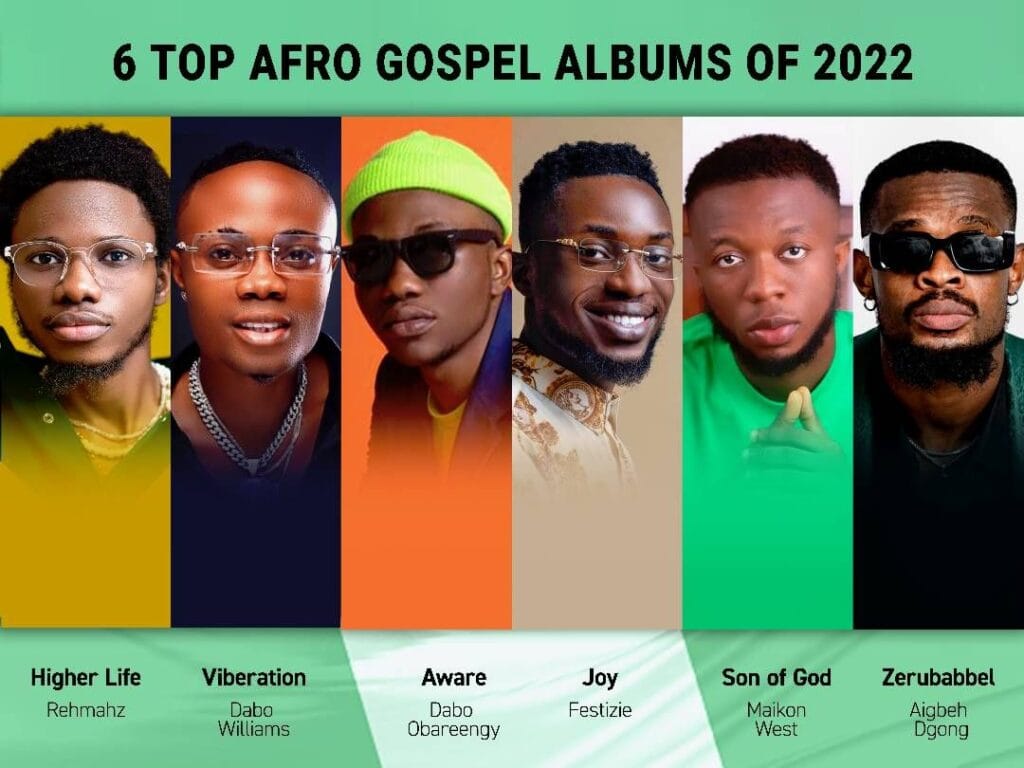
Yes! Afro-Gospel didn’t appear overnight. Its seeds were planted in the early 2000s with pioneers like Rooftop MCs, BOUQUI, Cobhams Asuquo and Midnight Crew, who mixed hip-hop, R&B, and Afrobeats with Christian messages.
These artists pushed gospel beyond church walls, making it thrive in urban spaces.
By the late 2010s, acts like Limoblaze and Gaise Baba formalized the “Afro-Gospel” tag, deliberately fusing Afrobeats grooves with worship.
But 2025 marked the tipping point. Tracks like Gaise Baba’s remix of “No Turning Back” with Lawrence Oyor became TikTok sensations, spawning dance challenges that blended choreography with declarations of faith.
Lawrence Oyor’s popular masterpiece tagged “Favour” racked up over 50 million streams in months, outpacing some secular hits.
Meanwhile, emerging talents like Anendlessocean’s earthy, reflective sound in songs like “Gratitude” captured introspective Gen Z vibes, while high-energy anthems from Mercy Chinwo and Moses Bliss dominated playlists.
Why now? Nigeria’s youth face unique pressures: inflation, unemployment (hovering around 33% for young people), “japa” migration dreams, and mental health crises amplified by social media.
However, the traditional worship offers solace, while Afro-Gospel provides energy—a rhythmic reminder that joy in faith can coexist with struggle.
As it’s “swapping melancholy for percussion,” turning worship into revelry.
Apparently, Gen Z churches play a pivotal role. Modern congregations like Harvesters International, Celebration Church International (CCI), COZA, and The Experience (hosted annually by House on the Rock) feature high-energy services with LED screens, media outreach, and sound systems blasting Afro-Gospel.
These spaces attract millennials and Gen Z, where services feel like concerts: lights flashing, crowds dancing, hands raised in synchronized praise.
Key Artists Leading the Charge
No discussion of Afro-Gospel is complete without spotlighting its trailblazers.

These artists aren’t just musicians—they’re ministers reshaping spirituality.
• Cobhams Asuquo: A legendary producer, songwriter, and singer whose influence bridges generations in Nigerian gospel and beyond.
Visually impaired yet visionary, Cobhams has produced iconic tracks for gospel and secular artists alike, infusing soulful depth and Afro-fusion elements.
His own inspirational songs like “Ordinary People” and recent 2026 collaborations (e.g., the resilient anthem “Despite (We Rise Up)” with Qing Madi and Magnito embody empowerment themes that resonate with Gen Z’s struggles.
As a mentor and sonic architect, he elevates emerging Afro-Gospel talents through masterful production, adding cinematic polish to the genre’s
• Limoblaze: Often called the pioneer, Samuel Onwubiko blends Afrobeats, hip-hop, and gospel seamlessly.
His global collaborations (Lecrae, Travis Greene) and hits like “Jeje” make faith feel cool and accessible.
In 2025–2026, he pushed boundaries with international tours, proving Afro-Gospel’s export potential.
New Generation – EP – Album by Ebuka Songs & Moses Bliss
• Moses Bliss: With viral anthems like “Too Faithful” and his Spotlite Nation label nurturing talents, Bliss merges youthful energy with deep worship.
Collaborations like “Jesus Oh” with Ebuka Songs highlight generational handovers.
• Ebuka Songs: Rising fast with spontaneous, chant-like worship (“I Will Pray”), Ebuka represents raw, street-level spirituality.
His 2025 tracks like “New Generation” (featuring Moses Bliss) directly speak to youth empowerment in faith.
• Other standouts include Anendlessocean (soulful reflection), Gaise Baba (Yoruba-Pidgin fusion), Mercy Chinwo (powerful vocals with Afro twists), Kaestrings (production wizardry), and Lawrence Oyor (viral chants turned hits), Yadah, Godfrey Gad etc…
Obviously, These artists share a common thread: lyrics in Pidgin, Yoruba, or English that address real-life issues—hustle, anxiety, gratitude—while affirming God’s sovereignty.
Songs like “No Turning Back” remix aren’t just catchy; they catechize, mobilizing young believers toward purpose and cultural influence.
Cultural Impact: Making Faith Relatable and Joyful
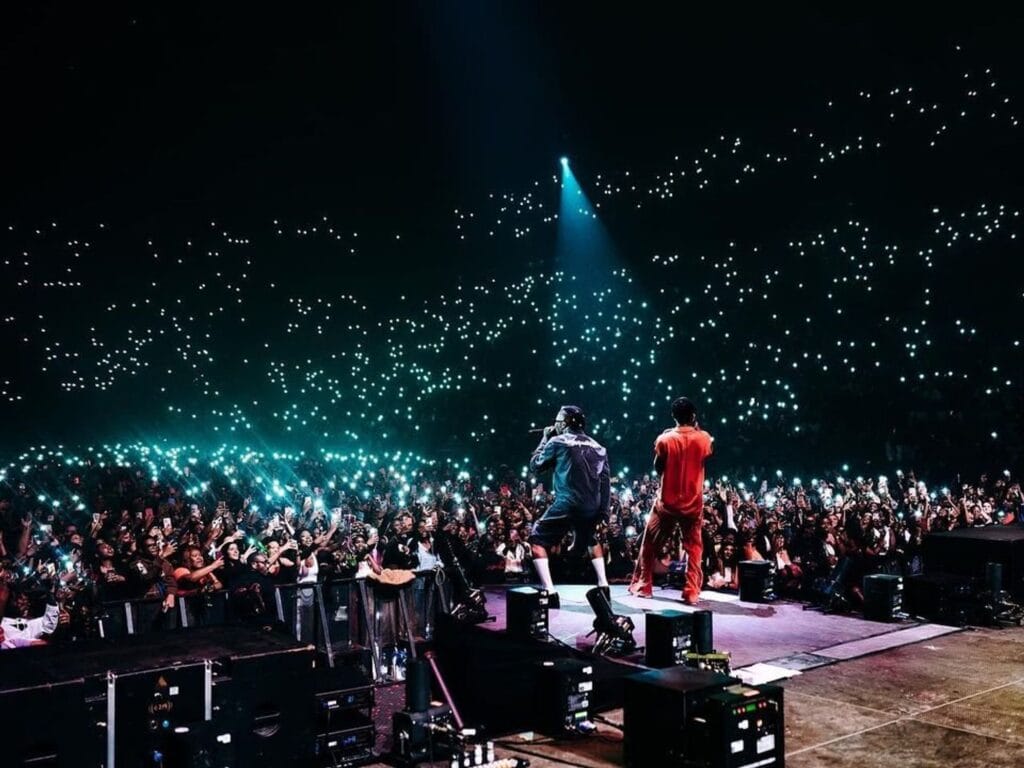
For Gen Z Nigerians, worship was once synonymous with quiet reflection or lengthy sermons. Afro-Gospel flips this: it’s physical, communal, and expressive.
Concerts feel like festivals—crowd jumping to log drums, creating TikTok trends with lyrics like “The nations are waiting / The Master is in need of vessels.”
This shift addresses a generational gap. Older critics argue it borrows from “worldly” Afrobeats, diluting sanctity.
But the proponents counter: intent matters over form. As Gaise Baba said in 2025, “Afrobeats has had its run; it’s time for Afro-Gospel.”
It’s decolonizing worship, reclaiming African rhythms demonized in colonial-era Christianity.
In emotional terms, amid Nigeria’s challenges, Afro-Gospel offers “rhythm of comfort.” Upbeat tracks provide escapism and empowerment, turning personal testimonies into anthems.
Mental health conversations in lyrics (e.g., gratitude amid anxiety) resonate deeply.
Socially, it’s fostering community. Gen Z churches use Afro-Gospel for outreach, drawing non-churchgoers through familiar sounds. Viral moments—like dance challenges to “Kumama Papa”—spread faith organically.
Spiritual Depth: Beyond the Beats
Is Afro-Gospel superficial? Far from it. Tracks rework evangelical themes with Pentecostal fire: urgency in discipleship (“No Turning Back”), gratitude in trials, and calls to societal impact.
It mirrors Gen Z’s liminal identity— globalization, local culture and diaspora dreams. Lyrics in Pidgin make scripture accessible, while grooves encourage participatory worship, echoing early Pentecostal spontaneity.
Theologically, it’s incarnational: God in the everyday. By using street sounds, it redeems culture, showing holiness isn’t confined to slow ballads.
Digital Dominance and Global Reach
TikTok and Instagram Reels are Afro-Gospel’s superhighway.
Challenges turn songs into memes, reaching millions. Streaming data (Boomplay, Spotify) shows Afro-Gospel playlists rivaling secular ones in Nigeria.
Globally, collaborations and tours position it as Nigeria’s next export, alongside Afrobeats and Nollywood.
Criticisms and Challenges
Not everyone’s convinced. Older generations worry about “worldly” influences or lack of depth.
Some churches ban upbeat tracks, preferring traditional hymns.
Artists face pressure to balance virality with ministry. Yet, as streams soar, the movement proves resilient.
The Future: A New Era of Worship
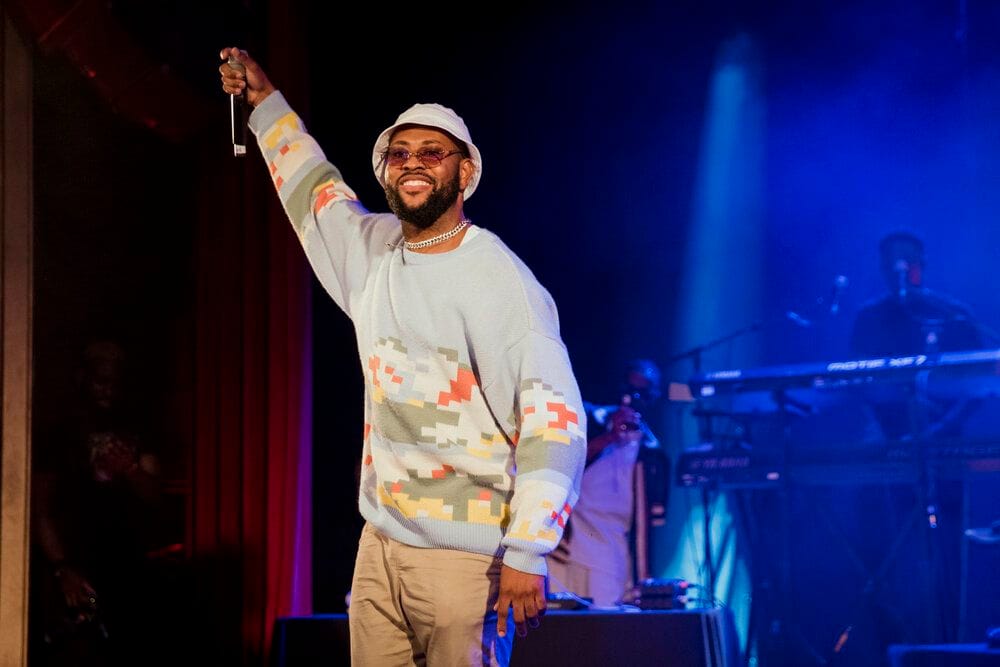
As 2026 unfolds, Afro-Gospel is poised for more growth. Emerging talents, deeper fusions (e.g., with amapiano), and international breakthroughs suggest it’s not a fad—it’s the sound of a revived generation.
For Gen Z Nigerians, Afro-Gospel isn’t replacing tradition; it’s evolving it.
However, In a world of uncertainty, it says: Worship can be joyful, cultural, and powerful. Raise your hands, hit the dance floor—God is in the groove.
Conclusion: A Dance of Faith for Tomorrow’s Nigeria
Afro-Gospel stands as more than a musical trend—it’s a profound spiritual and cultural awakening for Generation Z in Nigeria.
By weaving the infectious rhythms of Afrobeats with uncompromised messages of hope, redemption, and divine favor, this genre has bridged the chasm between sacred reverence and everyday vibrancy.
It has turned churches into spaces of unbridled joy, social media into platforms for evangelism, and personal struggles into shared testimonies of triumph.
In an era where young Nigerians grapple with economic instability, identity crises, and the pull of global influences, Afro-Gospel offers something invaluable: an authentic expression of faith that feels indigenous, empowering, and forward-looking.
It redeems the beats of the streets for the kingdom, proving that worship need not be somber to be sincere, nor traditional to be transformative.
Looking ahead, as artists like Limoblaze, Moses Bliss, Ebuka Songs, Cobhams Asuquo, and rising voices continue to innovate, Afro-Gospel is set to influence not just Nigeria but the global Christian landscape.
It heralds a future where African spirituality leads the conversation, inspiring a generation to live boldly in faith—dancing through challenges, praising amid pain, and declaring victory with every beat.
Ultimately, Afro-Gospel reminds us that God speaks in every language, moves to every rhythm, and meets His people where they are.
For Gen Z Nigerians, that place is right here, in the heart of the groove—a hopeful, resilient dance toward a brighter tomorrow.
This movement reminds us: Faith adapts, thrives, and dances through generations. For Nigeria’s youth, Afro-Gospel is that dance—and it’s only just beginning.
Personally, I have heard the up beat afro-gospel playing in clubs in Lagos channeling evangelism meaning soul can be won even in worldly places– Isn’t that the target anyway?
What do you think? Share your thoughts in the comments section below.
Curated Afro-Gospel Playlists
~ Spotify: Best of AfroGospel 2025 →
~Spotify: Trending Afro Gospel Hits →
~Spotify: AfroGospel Hits 2025 →
~ Boomplay: Trending Afro Gospel Hits →
~ Boomplay: Afrobeats Gospel 2025 →